


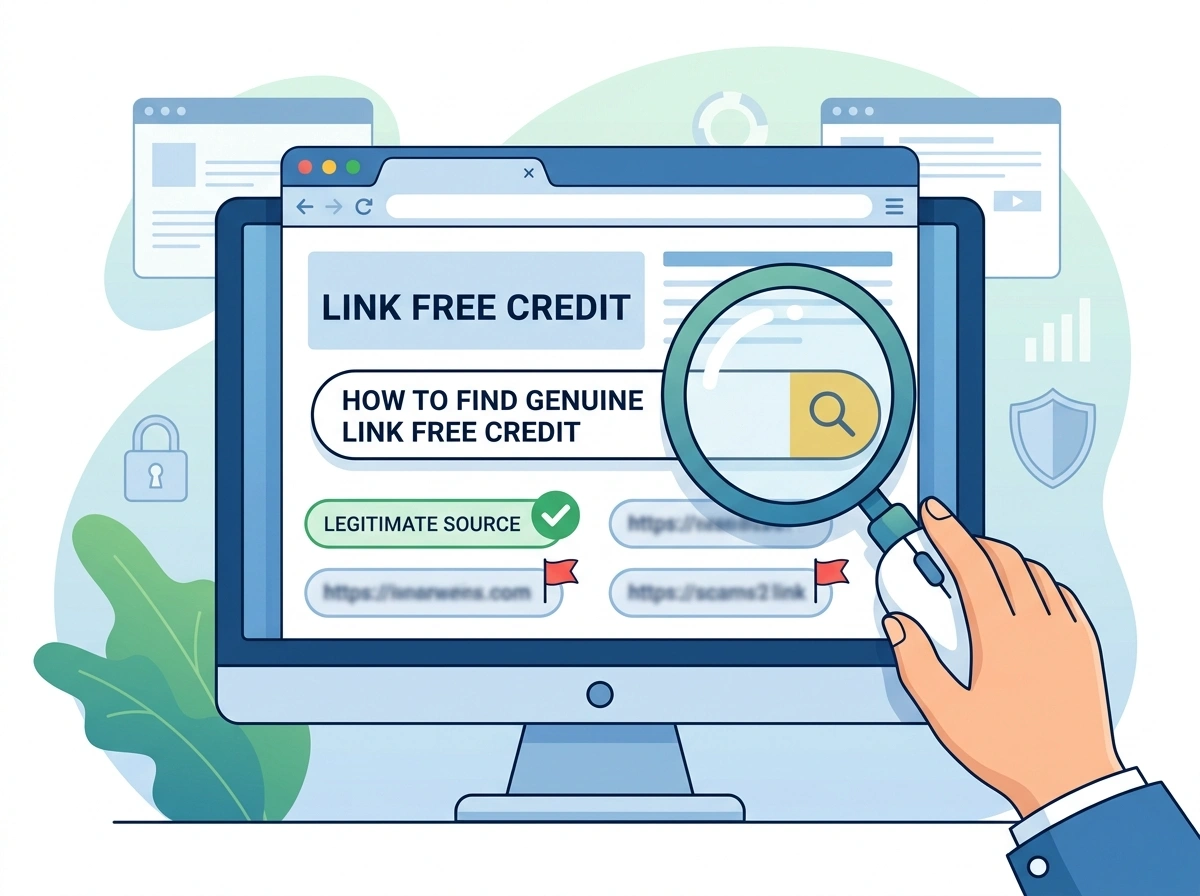
Free credit offers can feel like a winning ticket. You sign up, claim a bonus, and start playing or shopping without spending a dime. The catch? For every legitimate promotion online, there are dozens of fakes designed to steal your data or your money. This guide walks you through exactly how to separate real offers from traps, so you can claim a genuine reward with confidence.
By the end, you’ll have a repeatable checklist for vetting any free credit deal you come across.
Why Free Credit Offers Are So Tempting
A free credit promotion gives you something for nothing, at least on the surface. Sites use these bonuses to attract new users, reward loyalty, or encourage referrals. When the offer is real, it’s a smart way to test a platform with low risk.
The appeal is obvious:
- You try a service before committing your own money.
- You get extra value on top of what you’d normally receive.
- You feel rewarded for signing up or staying active.
But that same appeal is exactly what scammers exploit. They know “free” lowers your guard. So before you click “claim,” it pays to slow down and verify what you’re really dealing with.
The Real Risks Behind Fake Offers
Not every too-good-to-be-true deal is harmless. Fraudulent free credit schemes often aim to:
- Harvest personal data like your email, phone number, or banking details.
- Install malware through sketchy download links.
- Trick you into paying fees to “unlock” a bonus that never arrives.
- Lock you into hidden subscriptions with auto-renewing charges.
A scam doesn’t always look obvious. Many copy the design of trusted brands almost perfectly. That’s why a step-by-step approach beats relying on gut feeling alone.
Step-by-Step: How to Find a Genuine Link Free Credit
Follow these steps in order. Each one filters out a layer of risk, leaving you with offers you can actually trust.
Step 1: Research the Source First
Before anything else, find out who is behind the offer. A legitimate provider has a clear identity and a track record you can check.
- Search the company name alongside words like “review,” “scam,” or “complaint.”
- Look for an established presence on social media with real engagement.
- Check how long the website has been online using a domain age lookup.
If a site launched last week and promises huge free credit, treat that as a warning sign.
Step 2: Verify Site Credibility
A trustworthy platform invests in security and transparency. Look for these markers before you enter any information.
- Secure connection: The URL should start with “https” and show a padlock icon.
- Contact details: Real businesses list an email, phone number, or support chat.
- Clear ownership: An “About Us” page with company info adds confidence.
- Professional design: Sloppy spelling, broken links, and mismatched logos hint at a fraud.
When you want to see how a reputable platform presents a legitimate link free credit offer, compare its layout and disclosures against the site you’re evaluating. Genuine providers don’t hide the details.
Step 3: Read the Terms and Conditions
This is the step most people skip, and scammers count on that. The fine print tells you what you’re truly agreeing to.
Pay close attention to:
- Wagering or usage requirements that dictate how you can use the credit.
- Expiration dates that limit how long the offer stays active.
- Withdrawal rules that explain when and how you can cash out.
- Eligibility limits based on region, age, or account type.
If a site has no terms at all, or the language is vague and confusing, walk away. Clear rules signal a legitimate operation.
Step 4: Spot the Red Flags
Some warning signs appear again and again across fraudulent offers. Train yourself to recognize them instantly.
Be cautious when you see:
- Upfront payments required to “release” a free bonus.
- Pressure tactics like countdown timers screaming “act now.”
- Requests for sensitive data such as full card numbers or passwords.
- Unrealistic promises that dwarf what established brands offer.
- Unsolicited messages arriving through email, text, or social media.
A single red flag warrants caution. Two or more? Close the tab.
Step 5: Test With Minimal Exposure
If an offer passes the earlier checks but you still feel unsure, limit your risk before going all in.
- Use a dedicated email address rather than your primary one.
- Avoid linking your main bank account or card right away.
- Start with the smallest commitment the platform allows.
This way, even if something goes wrong, the damage stays contained.
Step 6: Confirm Through Independent Reviews
Don’t rely only on testimonials posted on the site itself. Those can be fabricated. Instead, seek out third-party voices.
- Browse independent review platforms and forums.
- Look for consistent feedback across multiple sources.
- Note how the company responds to complaints, not just praise.
A pattern of genuine, balanced reviews is one of the strongest trust signals you’ll find.
Common Mistakes That Lead People Into Scams
Even careful users slip up. Knowing these traps helps you avoid them.
- Acting on urgency: Rushing because of a timer leads to careless decisions.
- Reusing passwords: A breach on one site can expose your other accounts.
- Ignoring small print: Skipping terms means missing hidden conditions.
- Trusting design alone: A polished website isn’t proof of legitimacy.
Slowing down is your best defense. Scammers depend on speed and emotion to bypass logic.
A Quick Checklist Before You Claim
Use this rundown every time you consider a free credit offer:
- I researched the company and found a real track record.
- The site uses a secure “https” connection.
- Contact and ownership details are clearly listed.
- I read the full terms and conditions.
- No red flags like upfront fees or pressure tactics appeared.
- Independent reviews back up the offer.
If you can check every box, you’re in a strong position to proceed.
Why This Approach Works for Everyone
These steps don’t depend on where you live or which platform you use. Whether you’re comparing offers across different regions or testing a brand-new service, the same principles apply: verify the source, read the rules, and watch for warning signs.
The internet rewards informed users. A few extra minutes of checking can save you from lost money, stolen data, and hours of cleanup.
Conclusion
Finding a genuine free credit offer comes down to patience and a clear process. Research the source, confirm the site’s credibility, read every term, and trust independent reviews over flashy promises. When the warning signs stack up, step away without hesitation.
Ready to put this into practice? Start with the checklist above on your next offer, and only claim a free credit deal once it passes every test. Your safety online is worth the extra few minutes.











Leave a Reply