


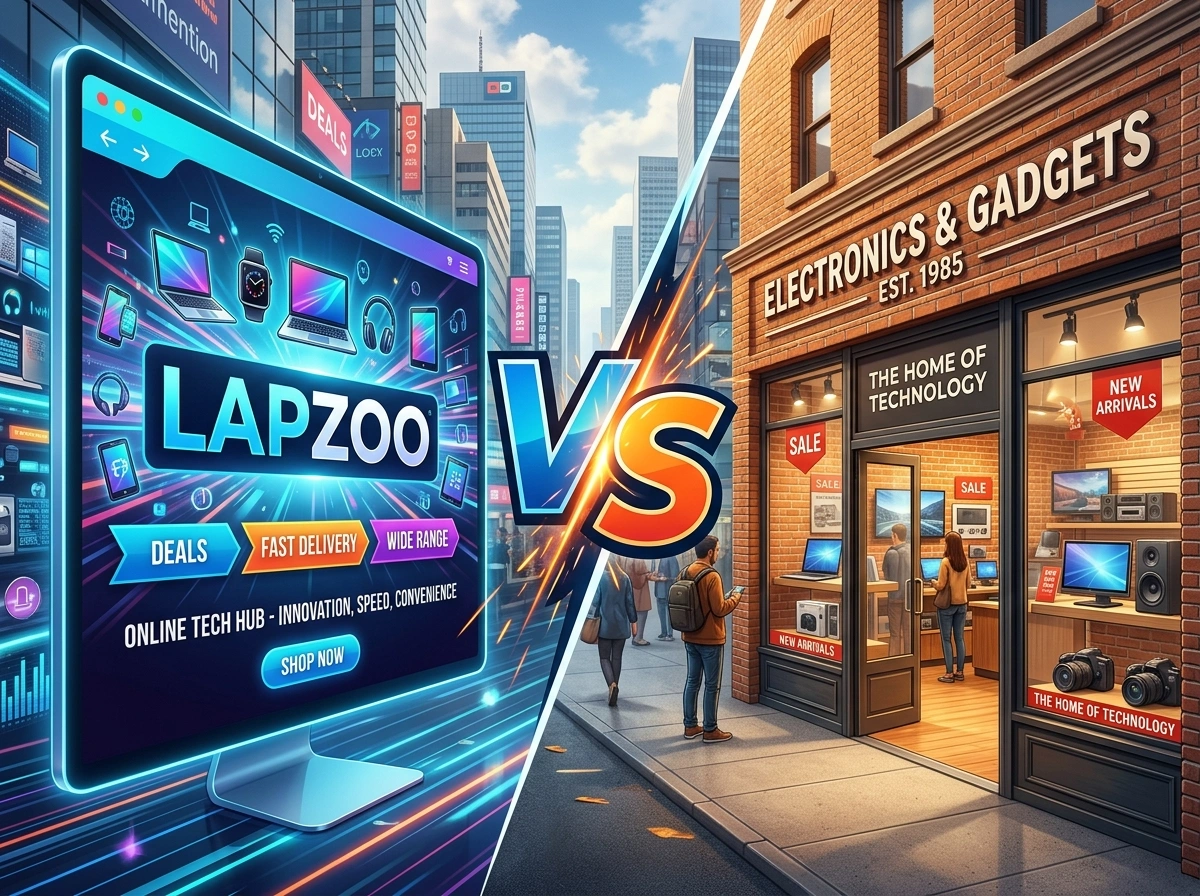
Buying a new laptop, smartphone, or gaming setup used to mean one thing: a trip to your local electronics store. Today, US tech shoppers have more choices than ever. Online platforms like Lapzoo now compete directly with the big-box retailers that have dominated American shopping malls for decades. So which one actually serves you better?
The answer depends on what matters most to you—price, selection, hands-on testing, or simply getting your gear fast. Both shopping methods have real strengths and clear trade-offs. In this comparison, you’ll learn how Lapzoo and traditional electronics stores stack up across the factors that count: product variety, pricing, convenience, customer service, return policies, and the overall buying experience. By the end, you’ll know exactly which option fits your needs and budget.
Product Variety: More Choice or Curated Selection?
Selection often makes or breaks a tech purchase. If a store doesn’t carry the exact model you want, you walk away empty-handed.
Why Online Wins on Inventory
Physical stores are limited by shelf space. A traditional retailer can only stock what fits in the building, which means popular models sell out fast and niche products rarely make the cut. You might find three laptop brands when you wanted to compare ten.
Online platforms don’t face that ceiling. lapzoo and similar retailers can list thousands of products across categories, from mainstream brands to specialized accessories you’d never spot on a store shelf. That breadth matters when you’re hunting for a specific configuration, color, or hard-to-find component.
Where Brick-and-Mortar Holds Its Ground
Traditional stores offer something digital catalogs can’t: instant availability. If you need a charger or cable today, you grab it and leave. There’s no waiting for shipping, no tracking numbers, no porch-piracy worries. For urgent, common items, that immediacy is hard to beat.
Pricing: Finding the Better Deal
Price is usually the first thing US shoppers check, and the gap between online and in-store can be significant.
Online retailers typically run leaner operations. They skip the costs of prime mall real estate, large sales floors, and big in-store staffing. Those savings often translate into lower sticker prices and frequent digital-only promotions. You can also compare prices across multiple sellers in seconds, something that’s nearly impossible while standing in a single store.
Traditional stores, however, sometimes match or beat online prices through price-match guarantees, doorbuster sales, and bundle deals. Holiday events like Black Friday remain a strong reason to shop in person, especially for big-ticket items where you can negotiate or stack store-specific perks.
Quick takeaway: For everyday savings and easy comparison shopping, online platforms usually win. For occasional blowout sales and price matching, physical stores stay competitive.
Convenience: Shopping on Your Terms
Convenience means different things depending on your schedule and how you like to shop.
The Case for Online Convenience
Online stores never close. You can browse at midnight, read reviews over coffee, and check out from your couch. There’s no parking, no lines, and no driving across town only to find the item out of stock. For busy professionals, parents, and anyone in rural areas far from a major retailer, this is a genuine game-changer.
Shipping straight to your door also removes the hassle of hauling bulky electronics yourself. Many platforms now offer fast delivery windows that rival a trip to the store.
The Case for In-Store Convenience
Walking out with your purchase in hand is its own kind of convenience. There’s no shipping delay and no risk of a package getting lost or damaged in transit. If you’d rather see, touch, and carry your tech the same day, the traditional store still delivers.
Customer Service: Human Help vs. Digital Support
Good support can turn a confusing purchase into a confident one.
Traditional stores offer face-to-face guidance. A knowledgeable associate can demo a product, answer questions on the spot, and help you decide between two similar models. For first-time buyers or anyone making a major investment, that personal touch builds trust.
Online platforms have closed much of that gap. Detailed product descriptions, verified customer reviews, comparison tools, live chat, and responsive email support give shoppers plenty of guidance. Reviews from thousands of real buyers often provide more honest insight than a single salesperson working on commission. The trade-off is that you can’t physically test the product before it arrives.
Return Policies: Protecting Your Purchase
Returns matter more for electronics than almost any other category, because a defective device or wrong fit is frustrating and expensive.
In-store returns feel simple: bring the item back, talk to a representative, and walk out with a refund or replacement. There’s something reassuring about resolving an issue in person, especially when you want answers immediately.
Online returns have improved dramatically. Most reputable platforms now offer clear return windows, prepaid shipping labels, and straightforward refund processes. The main downside is timing—you’ll usually wait for the item to ship back and be inspected before your refund clears. Always read the return terms before you buy, whether you shop online or in person, so you know your coverage.
Overall Shopping Experience: Which Feels Better?
The full experience comes down to your personal shopping style.
Online shopping rewards the researcher. If you like reading specs, comparing options side by side, and finding the best price without pressure, digital platforms feel effortless. The lack of crowds and the ability to shop anytime are major pluses for tech-savvy buyers.
In-store shopping rewards the hands-on buyer. If you want to feel a keyboard’s travel, test a screen’s brightness, or get instant expert advice, the physical store still offers an experience screens can’t fully replicate.
Here’s a simple way to decide:
- Choose online if you value: wider selection, lower prices, easy comparison, and around-the-clock convenience.
- Choose in-store if you value: hands-on testing, same-day pickup, in-person support, and immediate returns.
Frequently Asked Questions
Is buying tech online safe?
Yes, as long as you stick to established platforms with secure checkout, clear return policies, and verified customer reviews. Always confirm the seller’s reputation before purchasing.
Are online prices really cheaper?
Often, yes. Lower overhead lets online retailers offer competitive prices and frequent promotions. Still, compare against in-store sales and price-match offers before deciding.
What if my online order arrives damaged?
Reputable platforms provide return windows and prepaid shipping labels for defective items. Document the damage with photos and contact support right away to speed up your replacement or refund.
Can I get expert advice when shopping online?
Absolutely. Live chat, detailed product guides, and thousands of customer reviews give you plenty of insight, often more balanced than a single in-store recommendation.
The Verdict for Tech Shoppers
There’s no single winner for every shopper—and that’s good news. The “best” choice depends on what you prioritize.
If price, selection, and convenience top your list, online platforms make the strongest case. They offer broader inventory, competitive pricing, and the freedom to shop on your schedule. If you’d rather test products in person and get same-day support, a traditional store still earns its place.
For most US tech shoppers today, online retailers cover the widest range of needs while keeping costs down. Your smartest next step? Decide which factors matter most to you, then compare a specific product both online and in-store before you buy. That quick check ensures you get the right device at the right price—every time.





Leave a Reply