


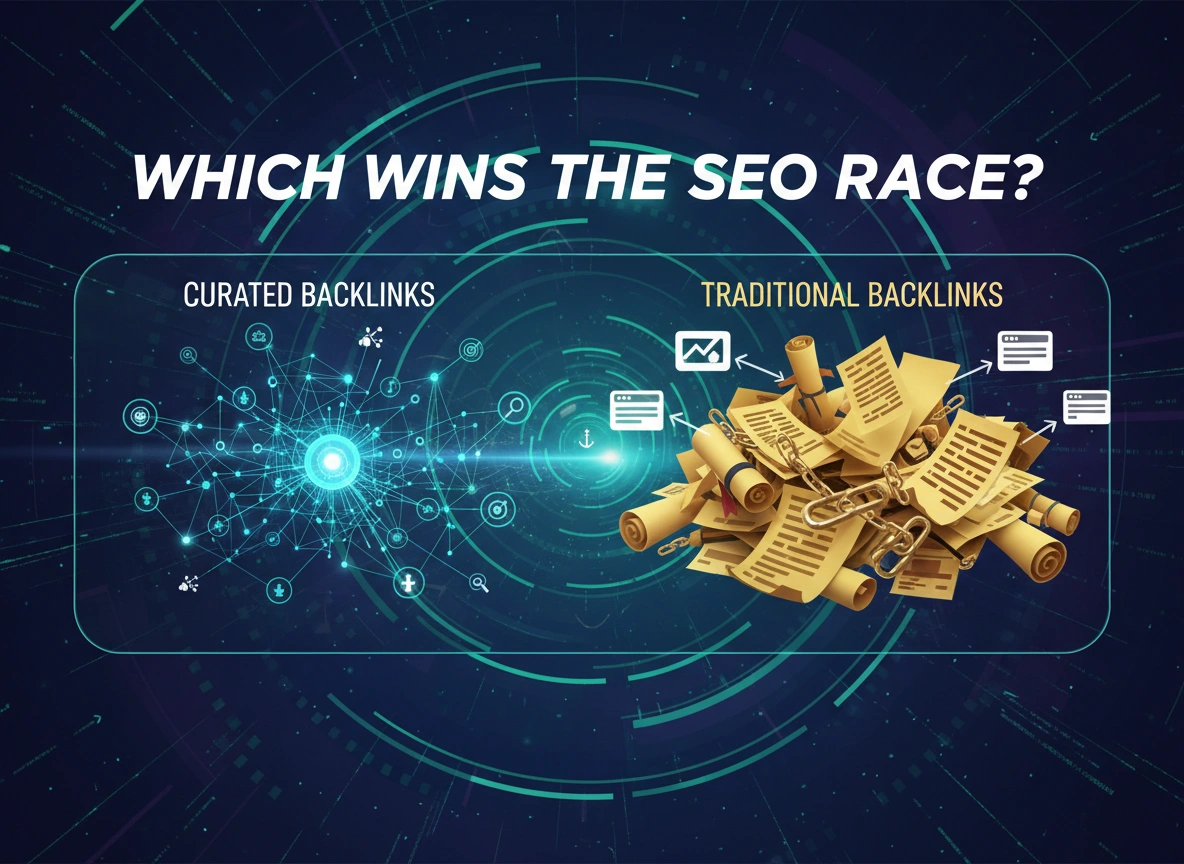
Link building remains one of the most critical components of a successful search engine optimization strategy. Search engines like Google continuously refine their algorithms to reward websites that demonstrate genuine authority, trust, and relevance. Securing high-quality links from external websites is the primary way search engines measure that authority.
However, the methods used to acquire these links have evolved significantly over the past decade. Webmasters are no longer limited to writing endless guest posts or submitting URLs to online directories. A new debate has emerged among digital marketers regarding the most effective link-building methodology.
You must choose where to allocate your marketing budget to get the best return on investment. Some marketers swear by the tried-and-true methods of creating new content for partner sites. Others argue that securing placements in existing, high-performing articles yields much faster results. Understanding the mechanics, advantages, and drawbacks of both approaches will help you make an informed decision for your website’s growth.
The Foundation of Backlinking in SEO
At its core, a backlink is simply a hyperlink from one website to another. Search engines treat these links as votes of confidence. When a reputable site links to your page, it signals to search engine crawlers that your content is valuable, accurate, and worth ranking higher in search results.
Not all links provide the same value. A single link from a globally recognized publication carries far more weight than dozens of links from obscure, low-traffic blogs. The focus for modern SEO professionals is acquiring links that pass significant “link equity” or “link juice” to the target domain. This pursuit of quality over quantity has split the SEO community into different camps, specifically regarding how those high-quality links are obtained.
Defining Traditional Backlinks
Traditional backlinking typically refers to the process of creating entirely new content to secure a link. The most common white-hat method in this category is guest posting. In a guest posting campaign, you reach out to a website owner in your niche and offer to write a brand new, highly relevant article for their blog. In exchange for the free content, the site owner allows you to include a link back to your own website.
Other traditional methods include resource page outreach, broken link building, and submitting profiles to industry-specific directories. The defining characteristic of traditional backlinking is that it almost always involves the creation of a new webpage or a new piece of content that must be indexed by search engines from scratch.
What are Curated Backlinks?
Also known as niche edits or contextual links, curated links take a completely different approach. Instead of writing a new article, you secure a link placement inside an existing piece of content that is already published, indexed, and ranking on search engines.
Curated backlinks are placed strategically within aged articles that are topically relevant to your niche. The webmaster simply logs into their content management system, highlights a relevant word or phrase, and adds your hyperlink. Because the page already has a history with search engines, the link equity begins flowing to your site almost immediately.
Key Differences Between Curated and Traditional Backlinks
The operational differences between these two strategies dictate how quickly you see results.
Content Creation and Resource Allocation
Traditional link building is resource-intensive. You have to brainstorm a topic, outline an article, hire a writer, and go through editorial revisions before the host site even hits the publish button. Curated links eliminate the content creation phase entirely. Your primary investment is the outreach process and the negotiation with the publisher.
Indexing and the Sandbox Period
When a new guest post is published, it enters a metaphorical sandbox. Search engines need time to crawl the new URL, evaluate its quality, and determine its rank. It can take months for a new page to build enough authority to pass meaningful equity through its outbound links. Conversely, a curated link is inserted into an aged post that Google already trusts. This bypasses the waiting period, resulting in faster movement on search engine results pages.
Pros and Cons of Traditional Backlinks
Traditional link building remains a staple in digital marketing for several valid reasons, though it comes with distinct limitations.
Advantages
Writing a guest post gives you complete control over the surrounding narrative. You dictate the context of the link, the tone of the article, and the exact branding message you want to convey. Furthermore, contributing high-quality articles to reputable industry blogs establishes you as a thought leader and can drive direct referral traffic from engaged readers.
Disadvantages
The biggest drawback is the time and cost involved. Producing high-quality content is expensive. Furthermore, webmasters frequently reject guest post pitches, meaning your outreach efforts have a lower conversion rate. Finally, the delayed SEO impact can be frustrating for businesses looking to scale their organic traffic quickly.
Benefits of Using Curated Backlinks for SEO
Integrating curated links into your strategy offers several unique advantages that traditional methods struggle to match.
Immediate Link Equity Flow
Because the host article is already established, the authority transfers to your target page as soon as search engines recrawl the URL. This rapid transfer of equity makes curated links highly effective for pushing pages that are stuck on the second page of search results onto the first page.
High Contextual Relevance
Search algorithms place massive importance on topical relevance. Placing your link inside a well-written, highly specific article that perfectly matches your commercial keywords sends a strong signal to Google. It proves that your page provides the exact information or service that users reading the host article are looking for.
Efficient Scaling
Without the bottleneck of content production, marketing teams can scale their link-building operations much faster. You can secure dozens of high-quality placements in the time it would take to write and publish a handful of guest posts.
Comparison: Which is Better for SEO?
Determining the superior strategy depends entirely on your specific marketing goals and timeline.
If your primary objective is brand awareness, thought leadership, and PR, traditional guest posting is the clear winner. It allows you to introduce your brand to a new audience in a controlled, detailed manner.
However, if your goal is pure SEO growth, improved keyword rankings, and rapid traffic increases, curated links outperform traditional methods. By leveraging the existing authority of aged posts, you achieve a much faster return on your SEO investment. Many of the most successful search marketing agencies use a blended approach. They use guest posts to establish brand authority and rely on curated links to drive ranking improvements for highly competitive commercial pages.
Best Practices for Incorporating Curated Backlinks
To maximize the impact of your contextual links while maintaining a safe, white-hat profile, you must adhere to strict quality standards.
Conduct Strategic Foundation Audits
Never build links blindly. Analyze your backlink profile against your top competitors to identify exact link gaps. Understand which pages need the most support and calculate your current anchor text ratios to avoid over-optimization.
Prioritize Vetted Domains
Not all aged content is valuable. Use industry-standard tools to verify that the host domain has real organic traffic and a low spam score. Aim for websites with a Domain Authority of 40 or higher and at least 5,000 monthly organic visitors. Avoid private blog networks (PBNs) or link farms entirely.
Optimize Anchor Text Carefully
Ensure the text used to hyperlink your URL reads naturally within the existing sentence. Avoid forcefully stuffing exact-match commercial keywords if they disrupt the flow of the article. Search engines penalize unnatural link placements.
The Future of Backlinking Strategies
As search engine algorithms become increasingly sophisticated, the value of contextual relevance and domain authority will only grow. The days of gaming the system with high volumes of low-quality links are completely over.
Whether you lean toward traditional content creation or rapid curated placements, the underlying principle remains the same. Success in SEO requires securing placements on genuine websites that provide real value to human readers. By understanding the unique strengths of both curated and traditional backlinks, you can build a resilient, diverse link profile that drives sustainable organic growth for years to come.






Leave a Reply