


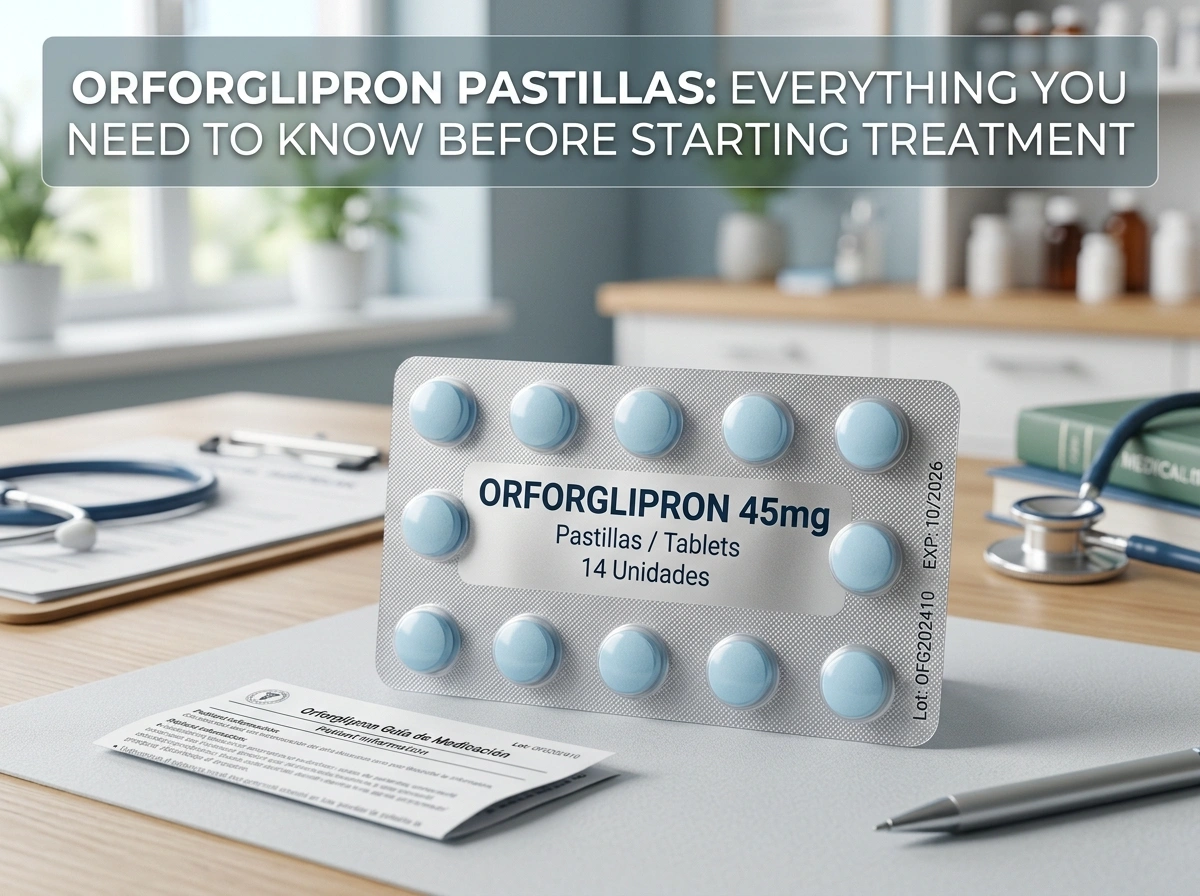
Managing type 2 diabetes or working toward a healthier weight can feel overwhelming, especially with so many treatment options available. One name gaining attention is orforglipron, an oral medication that may change how people approach blood sugar control and weight management. Before you begin any new therapy, it helps to understand what you’re taking, how it works, and what to expect along the way.
This guide breaks down the essentials in plain language so you can have an informed conversation with your healthcare provider.
What Are Orforglipron Pastillas?
Orforglipron is an oral GLP-1 receptor agonist. That’s a mouthful, so let’s simplify it. GLP-1 (glucagon-like peptide-1) is a hormone your body naturally produces after you eat. It helps control blood sugar and signals to your brain that you’re full.
Most GLP-1 medications come as injections. What makes orforglipron stand out is that it comes in pill form. For people who dislike needles or want a more convenient daily routine, this is a meaningful difference. You can learn more about the medication and its development through resources dedicated to orforglipron pastillas.
The word “pastillas” simply means tablets or pills in Spanish, reflecting how this medication is taken by mouth rather than injected.
How Does Orforglipron Work?
Orforglipron mimics the action of your natural GLP-1 hormone. When you take it, several helpful things happen in your body:
- It boosts insulin release. After meals, the medication encourages your pancreas to produce more insulin, which helps lower blood sugar.
- It slows down digestion. Food moves through your stomach more slowly, so you feel full longer and avoid sharp spikes in blood sugar.
- It reduces appetite. By acting on hunger signals in your brain, it can help you eat less without constant cravings.
- It lowers glucagon. Glucagon is a hormone that raises blood sugar. Orforglipron helps keep it in check.
Together, these effects support better blood sugar control and can lead to gradual, steady weight loss.
Who Is Orforglipron For?
This medication is primarily studied and used for two groups of people.
People With Type 2 Diabetes
If you have type 2 diabetes and struggle to keep your blood sugar within a healthy range, orforglipron may be an option. It’s often considered when diet, exercise, and other medications haven’t delivered the results you need.
People Managing Their Weight
Because GLP-1 medications reduce appetite and support weight loss, orforglipron is also being explored for chronic weight management. This is especially relevant for people who are overweight or living with obesity and related health concerns.
It’s worth noting that orforglipron is not a quick fix or a substitute for healthy habits. It works best alongside balanced eating and regular physical activity.
Dosage Guidance
Dosage always depends on your individual needs, so your doctor will create a plan tailored to you. That said, here’s what a typical approach often looks like:
- Start low. Treatment usually begins with a small dose to help your body adjust and reduce side effects.
- Increase gradually. Over several weeks, your doctor may raise the dose in steps until you reach the amount that works best.
- Take it consistently. Most oral GLP-1 medications are taken once daily, often around the same time each day.
Never adjust your dose on your own. Changing the amount without medical guidance can affect how well the medication works and increase your risk of side effects.
Key Benefits of Orforglipron
People who use orforglipron may notice several positive changes:
- Better blood sugar control. Many users see improvements in their A1C levels, a key marker for long-term glucose management.
- Gradual weight loss. Reduced appetite often leads to steady, sustainable weight reduction.
- No injections required. The pill format makes daily treatment simpler and more comfortable.
- Possible heart health support. GLP-1 medications have shown potential benefits for cardiovascular health, though your doctor can explain what applies to your situation.
Everyone responds differently, so your results may vary based on your health, lifestyle, and how closely you follow your treatment plan.
Potential Side Effects
Like any medication, orforglipron can cause side effects. Most are mild and tend to ease as your body adjusts. Common ones include:
- Nausea
- Diarrhea
- Vomiting
- Constipation
- Reduced appetite
- Stomach discomfort
These digestive effects are most noticeable when you first start or increase your dose. Eating smaller meals and staying hydrated can help.
When to Contact Your Doctor
Some side effects are less common but more serious. Reach out to your healthcare provider right away if you experience:
- Severe or lasting stomach pain
- Signs of an allergic reaction, such as swelling or trouble breathing
- Symptoms of low blood sugar, especially if you take other diabetes medications
- Persistent vomiting or signs of dehydration
Your doctor can help you weigh the benefits against any risks based on your medical history.
Precautions Before Starting
Before you begin treatment, share your full health history with your provider. Certain conditions may affect whether orforglipron is right for you. Be sure to mention if you:
- Have a personal or family history of certain thyroid cancers
- Have pancreatitis or pancreas-related issues
- Have kidney problems
- Are pregnant, planning to become pregnant, or breastfeeding
- Take other medications, including supplements
This information helps your doctor avoid harmful interactions and choose the safest path forward.
What to Expect During Treatment
Starting a new medication is a journey, not a single event. Here’s a realistic picture of what the early weeks and months may look like.
The first few weeks: You may notice mild stomach side effects as your body adapts. This is normal and usually fades. Your appetite may also start to decrease.
The first few months: As your dose increases and stabilizes, you’ll likely see clearer changes in your blood sugar readings and possibly your weight. Regular check-ins with your doctor help track your progress.
Long-term: Consistency matters. Pairing the medication with healthy eating, movement, and routine monitoring gives you the best chance at lasting results.
Keep a simple log of how you feel, any side effects, and your blood sugar or weight changes. This makes follow-up appointments more productive.
Tips for Getting the Most Out of Treatment
- Take your medication at the same time each day to build a habit.
- Stay hydrated, especially during the first few weeks.
- Eat balanced, portion-controlled meals to support the medication’s effects.
- Move your body regularly, even with light activity like walking.
- Keep all follow-up appointments so your doctor can fine-tune your plan.
Conclusion
Orforglipron pastillas offer a promising, needle-free option for people managing type 2 diabetes or working toward a healthier weight. By mimicking your body’s natural GLP-1 hormone, this oral medication supports better blood sugar control, appetite management, and gradual weight loss.
Still, no medication works in isolation. The best outcomes come from combining treatment with healthy habits and honest communication with your healthcare team. If you think orforglipron might be right for you, talk to your doctor about your goals, your health history, and what to expect. With the right plan and a little patience, you can take a confident step toward better health.

Leave a Reply