


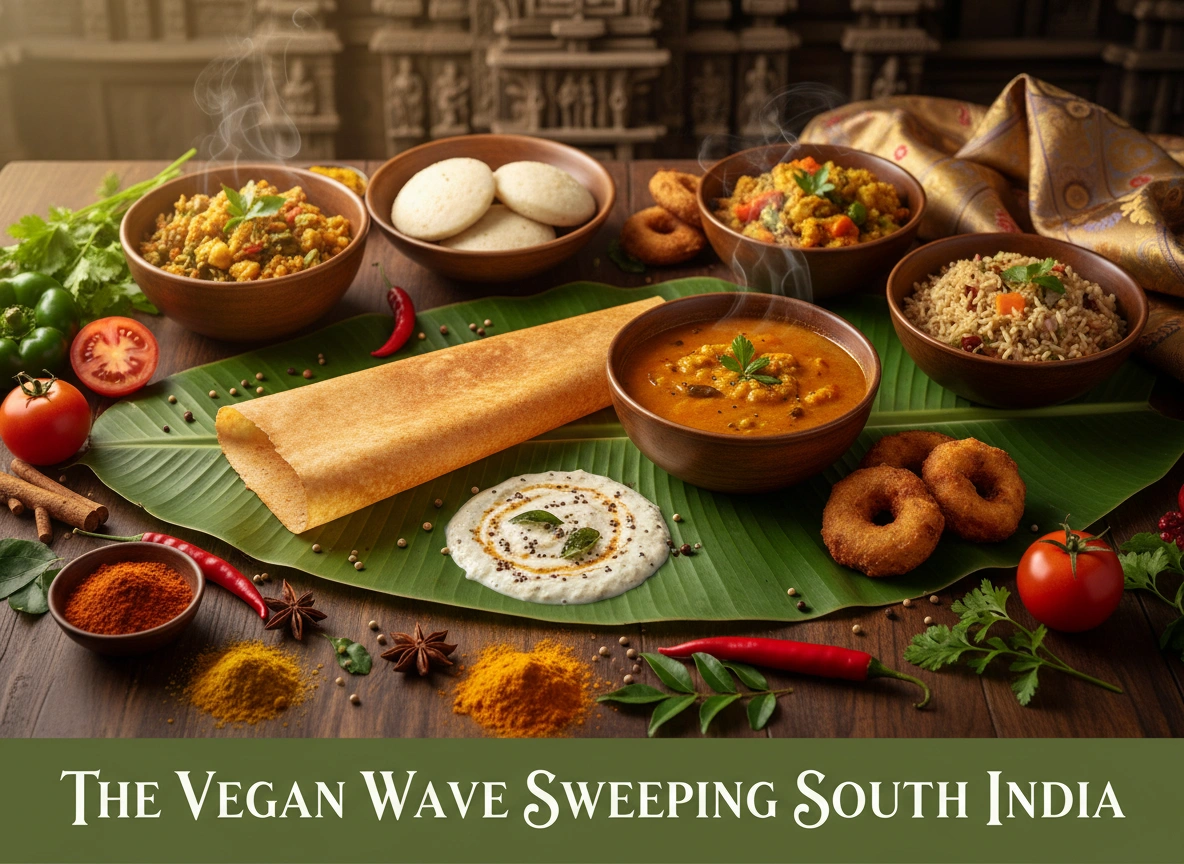
South India, a region celebrated for its rich culinary heritage deeply rooted in vegetarianism, is experiencing a significant dietary evolution. While dishes like dosa, idli, and sambar are staples, a closer look reveals a heavy reliance on dairy products such as ghee, paneer, and curd. However, a new movement is gaining momentum. Veganism, the practice of abstaining from all animal products, is making noticeable inroads into the culture, challenging long-held traditions and reshaping gastronomic landscapes from Chennai to Kochi. This shift is more than a dietary trend; it is a cultural phenomenon driven by a complex interplay of ethical, health, and environmental concerns.
This article explores the rise of veganism in South India. We will examine its historical dietary context, uncover the key factors driving this change, and analyze the cultural implications of this growing movement. We will also look at the challenges vegans face and what the future may hold for veganism in this vibrant part of the world.
Historical Dietary Context: Vegetarianism vs. Veganism
For centuries, vegetarianism has been a cornerstone of South Indian culture, largely influenced by religious and spiritual beliefs like Hinduism, Jainism, and Buddhism, which advocate for ahimsa (non-violence). This has resulted in a cuisine that is predominantly plant-based, featuring an abundance of vegetables, lentils, rice, and spices. Most traditional meals are inherently vegetarian, offering a wide array of flavorful and nutritious options.
However, it’s crucial to distinguish between vegetarianism and veganism. South Indian vegetarian diets traditionally incorporate dairy products extensively. Ghee (clarified butter) is used for tempering spices and adding richness to dishes. Curd (yogurt) is a staple, consumed on its own, as a base for raitas, or in preparations like curd rice. Milk is used in countless sweets and beverages, most notably the beloved filter coffee.
This deep integration of dairy means that transitioning from a traditional vegetarian diet to a vegan one requires more than simply avoiding meat. It involves a conscious reevaluation of cooking methods, ingredient choices, and cultural food practices that have been passed down through generations.
Factors Fueling the Vegan Movement
The growing interest in veganism across South India is not a random occurrence. It is fueled by several converging factors that resonate with a modern, globally-connected population.
Health and Wellness Consciousness
One of the most powerful drivers is a heightened awareness of health and wellness. A growing body of scientific evidence links the consumption of animal products, including dairy, to various health issues like heart disease, lactose intolerance, and certain types of cancer. Urban populations in cities like Bangalore, Hyderabad, and Chennai are increasingly proactive about their health. They are seeking diets that promise longevity, improved energy levels, and disease prevention. Veganism, with its emphasis on whole foods, fruits, and vegetables, aligns perfectly with these goals. Fitness influencers and health-conscious celebrities on social media have also played a significant role in popularizing plant-based lifestyles.
Ethical and Environmental Concerns
For many, the decision to go vegan is rooted in a strong ethical stance against animal cruelty. The proliferation of information via the internet and documentaries has shed light on the realities of industrial dairy farming. This exposure has led many to question the morality of consuming products that involve animal exploitation. The principle of ahimsa, already present in the cultural consciousness, finds a more complete expression in veganism, which extends compassion to all sentient beings.
Furthermore, the environmental impact of animal agriculture is a growing concern. The dairy industry is a significant contributor to greenhouse gas emissions, water consumption, and land degradation. As awareness about climate change and environmental sustainability increases, many individuals in South India are adopting veganism as a tangible way to reduce their ecological footprint.
The Rise of Vegan Alternatives
The transition to veganism has been made significantly easier by the increasing availability of plant-based alternatives. A decade ago, finding non-dairy milk or a vegan version of a traditional sweet was a major challenge. Today, supermarkets in major South Indian cities stock a wide range of products, from almond and soy milk to vegan cheese, butter, and ice cream.
This market growth has been propelled by both local startups and international brands. Homegrown companies are innovating to create vegan versions of regional favorites. Imagine a creamy “curd” made from peanuts or a rich “ghee” derived from coconut oil. This innovation allows people to enjoy familiar tastes without compromising their vegan principles, making the lifestyle more accessible and sustainable.
Cultural and Societal Implications
The rise of veganism is creating ripples across South Indian society, challenging traditions while also creating new ones.
Redefining Traditional Cuisine
Chefs and home cooks are at the forefront of this culinary shift, reinterpreting classic South Indian recipes through a vegan lens. They are discovering that ingredients like coconut milk, cashew cream, and nutritional yeast can effectively replace dairy without sacrificing flavor or texture. This has led to a creative renaissance in the kitchen. Traditional sweets like payasam can be made with coconut or almond milk, and savory dishes can achieve richness using nut-based pastes instead of ghee. This adaptation ensures that cultural heritage is not lost but rather evolved.
Navigating Social and Family Gatherings
Food is central to social life in South India. Festivals, weddings, and family meals are elaborate affairs where sharing food is an expression of love and community. For new vegans, navigating these events can be challenging. Declining a dish prepared with ghee or a sweet made with milk can sometimes be misinterpreted as a rejection of hospitality.
However, as veganism becomes more mainstream, acceptance is growing. Families and communities are becoming more accommodating, often preparing special vegan dishes for their loved ones. This shift fosters a new level of dialogue about food choices and ethical beliefs within families, promoting greater understanding and respect for individual decisions.
Challenges and the Path Forward
Despite its growth, the vegan movement in South India still faces obstacles.
The Challenge of Accessibility and Cost
While vegan products are becoming more common in urban centers, they remain less accessible and often more expensive in smaller towns and rural areas. The reliance on packaged and sometimes imported alternatives can make a vegan lifestyle seem like a luxury reserved for the affluent. For veganism to become truly widespread, affordable and locally sourced plant-based staples need to be available to all.
Overcoming Cultural Inertia
Deep-seated cultural and religious practices tied to dairy present a significant hurdle. Ghee is often used in religious ceremonies, and certain foods offered to deities contain dairy. Persuading people to move away from these age-old customs requires sensitive and respectful dialogue. The key is not to erase tradition but to show how vegan alternatives can be integrated into these practices without diminishing their spiritual significance.
The Future of Veganism in South India
The trajectory of veganism in South India points towards continued growth. The movement is no longer on the fringe; it is a dynamic and influential force shaping the region’s culinary and cultural identity. As health awareness, ethical considerations, and environmental consciousness continue to grow, more people are likely to explore and adopt a plant-based lifestyle.
The future will likely see even greater innovation in food technology, with more startups creating affordable and delicious vegan alternatives to traditional dairy products. Educational initiatives will play a crucial role in dispelling myths and providing practical guidance on nutrition. As restaurants expand their vegan menus and home cooks share their plant-based recipes, the movement will become more integrated into the fabric of everyday life.
Ultimately, the rise of veganism in South India is a testament to the region’s ability to adapt and evolve while holding onto its core values. It represents a powerful convergence of ancient principles of non-violence with modern concerns for health and the environment, creating a compassionate and sustainable path forward for generations to come.
Please visit website for more info.

Leave a Reply